
A commercial property lease can move quickly when the property gets the basics right. Walk down any commercial street in your city, and you’ll notice something strange. One shop gets rented out in days. The commercial property right next to it, same size, same rent almost, sits empty for six months.
People usually blame luck. Honestly, it’s rarely luck. Most of the time it comes down to boring, fixable stuff that nobody bothered to fix.
There’s almost always a reason. This post goes through the real reasons, the ones that actually decide whether a commercial property gets leased fast or just sits there gathering dust.
Commercial Property Location Comes First, It Always Has
Not going to lie, this is the most boring point on this list, but it’s also the truest one. Almost every commercial property lease decision starts with this single factor.
A commercial property near a main road, a metro station, or a busy market gets noticed. Simple as that. More people walk past it, more people see the board, more calls come in.
Put yourself in a tenant’s shoes. A shop owner needs footfall to survive. An office needs staff who won’t dread the commute. A warehouse needs a highway close by.
Even visibility from the road counts for a lot. I’ve seen decent shops go unrented for a year just because they were tucked behind another building. Good space, wrong spot.
Getting the location right is usually step one before any commercial property lease conversation even starts.
Commercial Property Building Should Actually Be Ready to Use
Nobody wants to walk into a place that smells like it’s been shut for months. That damp, stale smell gives it away instantly.
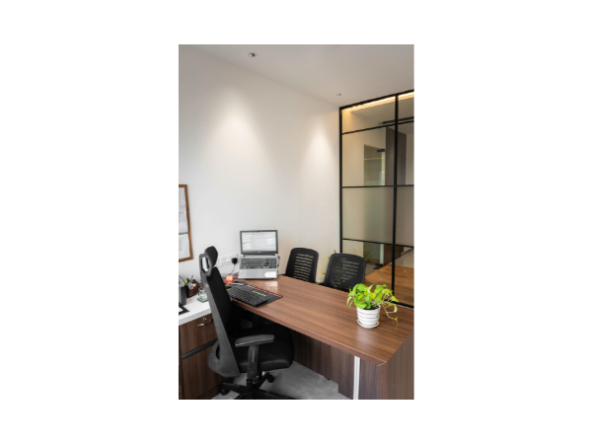
Lights working, washroom clean, walls without cracks, tenants clock all this in the first two minutes, maybe less. Small stuff, but it builds trust faster than any sales pitch could.
Now flip it around. Someone has to drop a lakh or two just fixing basic things before they can even open shop? They’re either pushing the rent down or walking to the next listing.
Fresh paint. Taps that work. Wiring that isn’t held together with tape and hope. Sounds minor, but it’s usually what people notice first, before they even look at the size of the place. A well-kept building makes for a much easier commercial property lease down the line.
Keep the Commercial Property Layout Open, Not Overly Specific
Different businesses need wildly different setups. A café needs a kitchen corner. An office wants open desks with maybe two cabins. A clinic wants five small rooms instead of one big hall.
A flexible commercial property, something that can be split up or opened out depending on who’s renting it, works for way more people. It doesn’t lock you into one type of tenant.
Here’s the thing though. Build something super specific, say a fully fitted-out dental clinic, and you’ve limited yourself to renting it to another dentist. Tiny pool of people.
Plain, open spaces are just easier for someone to picture their own business in. That’s usually why the simple, adaptable ones lease quicker than the heavily customised ones, and why that flexibility alone can push a commercial property lease deal through faster.
Price It Right, Not Just High
This is where most deals quietly fall apart.
Even a slightly inflated rent can keep a commercial property empty for months while a fairly priced one down the road fills up in weeks. It happens more often than landlords admit.
Before you fix a number in your head, check what similar commercial properties nearby are renting for. Don’t just guess based on what you think it “should” be worth.
And be upfront about extra costs too, maintenance, deposits, taxes. Tenants respect honesty here. Fair pricing, more than anything else, is usually where a smooth commercial property lease actually begins.
Amenities That Help a Commercial Property Lease Faster
Parking gets underestimated constantly. A great commercial property with nowhere to park loses tenants who never even bother calling back.
Beyond parking, backup power, decent internet, a working lift, basic security, none of it is a bonus anymore. Tenants expect it.
A place that already has these sorted saves the tenant a stack of hassle they’d rather not deal with.
Even the tiny stuff counts, a clean entrance, a washroom that doesn’t smell, a lift that doesn’t groan on the way up. All of it adds up during a walk-through, whether people say so out loud or not. These basics alone can be enough to push a commercial property lease over the line.
Keep the Paperwork Clean, Seriously
This one trips up a lot of otherwise good commercial properties.
If the ownership papers are messy or there’s some pending dispute nobody mentioned upfront, serious tenants walk. Every time. They’re not going to take on someone else’s legal headache.
Keep your title deeds, tax receipts, permits, all organised and ready before anyone even asks. Don’t scramble for documents after a tenant has already shown interest.
A commercial property with clean paperwork earns trust almost instantly, and honestly, it speeds up the whole closing process by weeks sometimes. That’s the kind of thing that separates a fast commercial property lease from one that drags on for months.
Be Reasonable With Lease Terms
Lease terms can quietly kill a deal that was going well until five minutes ago.
Long lock-ins, rigid renewals, or a high deposit tend to scare off smaller businesses without deep pockets.
Keep the lock-in fair, the deposit reasonable, and leave room to negotiate.
Writing the commercial property lease in plain language helps too. Confusing legal jargon makes people nervous even when the terms are fine.
Nearby Businesses Matter More Than You’d Guess
Businesses genuinely like being close to other businesses that help them out, directly or indirectly.
A coffee shop does well near office buildings. A boutique benefits from being surrounded by other shops instead of standing alone.
Tenants check what’s around before committing. A commercial property with the right kind of neighbours just feels like a safer bet, and that alone can quietly speed up a commercial property lease.
Actually Market the Place
A great commercial property can still sit empty for months if nobody actually knows it’s up for lease. Sounds obvious, sure, but plenty of landlords still skip this part entirely.
List it properly, for one. Clear photos, taken in actual daylight, not some blurry shot grabbed in a rush on an old phone. And write something that tells people what they’re getting instead of one lazy line.
A well-presented listing feels more trustworthy, plain and simple. Most people are searching online first these days anyway, so this part isn’t optional anymore. Good marketing alone can shorten the wait before a commercial property lease actually closes.
Reply Fast, Reply Like a Human
This gets ignored constantly, but it matters more than people realise.
When someone messages with a question, how fast and how clearly you answer says a lot, about the property and about you as a landlord.
Slow, vague replies push people toward the next listing on their list. Quick, honest answers build trust and often move things along faster than anything else on this list. Not rocket science, just something people forget to do. It’s a small habit that keeps a commercial property lease moving instead of stalling out.
Running Costs Matter More Than Ever
Utility bills add up, and tenants notice this more than landlords sometimes expect.
Good lighting, decent insulation, efficient fittings, these can knock a fair bit off monthly costs, especially for bigger commercial properties like warehouses or factories.
If your place costs less to run than the older building two doors down, that’s a real edge. People comparing two similar spaces often lean toward whichever one is cheaper to actually operate, and that’s often enough to seal a commercial property lease.
The Area Needs to Feel Safe
Nobody says this out loud during negotiations, but it’s sitting there in the back of everyone’s mind.
Staff want to feel okay walking to their car after a late shift. Customers want to feel comfortable stopping by even in the evening.
A neighbourhood with decent lighting, low crime, and a solid reputation adds real value to a commercial property, whether anyone admits it or not. Tenants aren’t just renting four walls, they’re picking the whole area around it too, even if that’s not written anywhere in a commercial property lease.
Leave Room for the Business to Grow
Most businesses don’t stay the same size forever, they plan to grow.
A commercial property with room for expansion, extra floor space, a nearby unit available later, a layout that can fit more desks down the line, tends to attract tenants thinking beyond the next twelve months.
Given two similar options, most people pick the one that doesn’t force them to pack up and move again in a year. That’s the kind of thinking that makes a commercial property lease feel worth the commitment.
The Small Stuff Nearby Adds Up
Tenants think about what’s around the commercial property too, not just the main road out front.
Is there somewhere decent to grab lunch, a pharmacy, an ATM within walking distance? These small conveniences matter more than people expect, especially for staff stuck there all day.
Fast, stable internet isn’t optional anymore, not really. Most businesses can’t run without it, full stop, so decent network coverage nearby works in your favour more than people realise. Small extras like these often tip a commercial property lease one way or the other.
What Tenants Actually Ask During Negotiations a Commercial Property to Lease
Sit through a handful of lease negotiations and the same questions come up. What’s included in the rent? Who’s fixing things when they break? What if they need to exit early?
Having those answers ready before anyone asks makes you look organised, and trustworthy too. It also saves everyone from back-and-forth emails that drag a simple deal out for weeks.
Landlords who treat these as annoying interruptions instead of just, well, part of the job, tend to lose tenants to whoever handled it with a bit more patience. Clear, ready answers are what keep a commercial property lease from dragging on unnecessarily.
First Impressions During the Visit a Commercial Property to Lease
A site visit can settle the whole deal in about five minutes. Sometimes less, honestly. This is the moment that often decides a commercial property lease before either side says a word.
Dusty floors, a stuck door, or general hassle getting inside leaves a bad taste fast.
Walk through the place yourself before anyone else does. Fix the small stuff first, a broken switch, a dripping tap, whatever smell won’t go away. These tiny things decide whether someone says yes right there or leaves unsure and never calls back.
Final Thoughts
There’s no single trick that makes a commercial property lease fast, no matter what some listicle out there tells you. It’s really a mix, location, condition, fair pricing, clean paperwork, and how smoothly the whole process runs from the first call to the signed agreement.
The commercial property lease process that leases quickest is usually the one where the owner actually thought about it from the tenant’s side, not just their own. Small thing to say, harder to actually do.
Before listing your place, try seeing it through a tenant’s eyes for a minute. Would you want to work here? Does the price feel fair? Would the paperwork give you confidence?
If you can honestly say yes to all three, your commercial property is probably ready to lease with ease. If not, well, now you know where to start.