

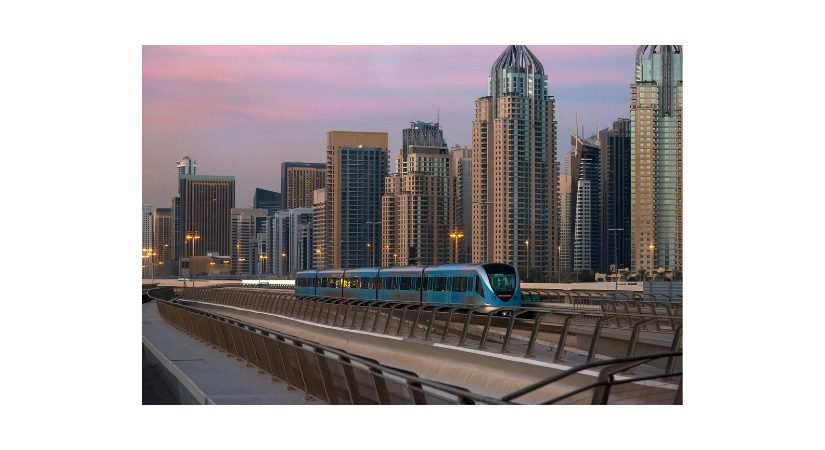
Properties near metro stations are gaining more attention across Bengaluru as commuters, buyers, tenants and businesses increasingly value better connectivity. Two years ago, nobody in Electronic City would have called their commute a selling point. Now agents mention it before anything else. A metro line opened, travel time dropped from over 90 minutes to about 35, and the whole area reads differently on paper and in person.
That’s the short version of a pattern showing up across Bengaluru right now. Properties near metro stations are pulling ahead of everything else on the market, in demand and in price both. Try to rent, buy, or invest anywhere close to a transit line these days, and there’s a lot more competition than there would have been a few years back.
Benefits of Properties Near Metro Stations
Start with the commute itself. On the Yellow Line, a drive that used to run past 90 minutes in peak traffic now takes roughly 35 by train, close to two hours saved a day for anyone making that trip both ways.
Once people get used to that, going back to a longer drive somewhere cheaper doesn’t sit well. Neighborhoods that barely made anyone’s shortlist a few years ago are now full of buyers and tenants chasing properties near metro stations, purely because the math around getting to work changed that much.
A train doesn’t care if it’s raining, or if there’s a cricket match letting out downtown, or if three signals are down on Hosur Road. It just runs. That’s worth more to most people than the raw time saved — a car ride can turn a 90-minute guess into two hours without any notice and never knowing which one you’ll get wears on a person faster than the delay itself does.
Then there’s the wallet. Nobody puts this on a spreadsheet before picking a neighborhood, but it adds up. Skip the second car most households kept just for commuting, and fuel, parking, and upkeep go with it. Insurance and depreciation too. Run the numbers over a few years, and staying close to a station often beats saving a bit on rent somewhere with a rough commute attached.
How Much of a Premium Are We Actually Talking About
Here’s where it gets concrete. Actual pricing data backs up why properties near metro stations get snapped up fast once they’re listed.
The Sweet Spot: 200 to 800 Meters
Pricing near a metro line follows a fairly narrow band. Properties within 200 to 500 meters of a station see the biggest jump in value, and demand for properties near metro stations holds up out to roughly 500 to 800 meters before it starts to fade.
Past that range, the premium drops off quickly. A building a kilometer out doesn’t get anywhere near the boost of one a five-minute walk away, even if a listing describes both as “metro connected.” Check the actual walking distance yourself before taking a broker’s word for it — the map alone won’t tell you.
Electronic City as a Case Study
Electronic City is the clearest real-world example available, since it’s one of the few corridors where a metro line has actually opened and enough time has passed to see the effect play out.
Property values there have climbed roughly 47% from where they sat before the metro arrived. Properties near metro stations in this corridor now carry a premium of 10 to 20% over comparable buildings without the same transit access. Ridership tells a similar story — the Yellow Line was already logging over one lakh daily boardings not long after launch.
That’s a real change for a corridor people used to settle for, tolerating a rough commute for cheaper job proximity. Now it reads as a place worth choosing on its own terms, and pricing has followed that shift in how people see it.
Buyer Expectations Have Moved Up Too Near Metro Stations
Something beyond the commute math has changed: what buyers and tenants expect from properties near metro stations has gone up a notch.
These areas used to draw a narrower, more budget-conscious crowd. Not anymore. Developers are putting up premium configurations and amenity-loaded projects aimed squarely at these corridors, chasing demand that’s climbed upmarket. A plain, functional, transit-adjacent unit doesn’t cut it for most buyers now — they want the connectivity and a lifestyle upgrade in the same package.
Retail and food businesses have caught on as well. Foot traffic around a station tends to rise once a line opens, and cafes, gyms, and everyday shops follow, turning the area into something that feels lived-in rather than just a place to pass through. Properties near metro stations end up gaining twice from this — first from the shorter commute, then from the walkable neighborhood that grows up around the station afterward.
Read the market with that in mind. A corridor that looked like a budget option two years back might already be repositioning as a premium one, purely because a metro line opened nearby.
What This Means for Businesses Renting Office Space Near Metro Stations
The same shift plays out on the commercial side, arguably with even sharper edges.
Companies weigh metro access almost as heavily as rent now when picking properties near metro stations for an office, and the reason isn’t complicated. Traffic wears people down enough in this city that it’s a genuine reason employees quit, so location directly touches hiring and how long staff stay. Office space among properties near metro stations fills up quicker than most other listings, and landlords along these corridors have already started raising rents to match.
If you’re a founder or HR head weighing properties near metro stations for your next office, treat metro proximity as a real line item, not a nice-to-have box to tick. Paying slightly more near a station often costs less overall once you factor in faster hiring and better retention.
Timing matters here too, especially for properties near metro stations that haven’t opened yet. Those corridors still give you a window to lock in lower rates before the connectivity premium gets baked in, the same way it already has in Electronic City. Wait until a line is fully running, and you’ll likely pay whatever premium other companies already locked in ahead of you.
Corridors to Watch Near Metro Stations
Bengaluru’s upcoming Blue Line points to where demand for properties near metro stations is headed next. Property values along Outer Ring Road and Airport Road are expected to climb 20 to 30% once it’s finished, with Hebbal alone looking at 15 to 20% growth over the next two or three years.
Bellandur, Marathahalli, Mahadevapura, KR Puram, Yelahanka, and HSR Layout keep coming up as the likely winners once the line opens. Rental income across these corridors is projected to grow 10 to 15% a year once it’s fully operational, a number worth factoring in if you’re weighing a long-term lease or investment decision right now.
This isn’t unique to Bengaluru either. Metro expansions in Hyderabad and Pune are showing the same pattern, with properties near metro stations still under construction already pulling ahead on both pricing and rental demand well before the lines fully open. Buyers in those cities are learning the same lesson Bengaluru learned first.
How to Actually Evaluate a Metro-Adjacent Property
A station name on a brochure doesn’t say much on its own. Walk the route yourself, or at least trace it on a map using real streets instead of a straight-line radius, before believing a listing that claims to sit among properties near metro stations.
When you’re touring properties near metro stations, look at whether the walk crosses a major road without a proper signal, since that eats up time and comfort even when the straight-line distance looks short. Check how last-mile connectivity works too — plenty of people live too far to walk the whole way, and auto or feeder bus availability at the station changes how usable that access really is day to day.
It also helps to know which phase the nearest line is in. A station that’s already running is a completely different bet from one still under construction with a timeline that keeps shifting. Properties near metro stations that are already operational have usually priced in most of the premium, while stations still a year or two away often leave room to get in before rates climb.
None of this takes more than an afternoon to check, and it beats finding out after signing a lease that the “five-minute walk” a broker promised actually takes fifteen and crosses a road nobody wants to deal with twice a day. A short site visit before signing anything is a small price to pay compared to years of dealing with a commute that isn’t what it was sold as.
Final Thoughts
Properties near metro stations aren’t gaining attention because of hype. The reasons are practical: shorter, more predictable commutes, demand that holds strong within a tight 200-to-800-meter radius of stations, and appreciation numbers hard to argue with once a line actually opens.
Electronic City already shows what this looks like once the shift fully plays out. Corridors along the upcoming Blue Line, and similar metro expansions in other cities, look set to follow the same path. Whether you’re choosing a home, an office, or an investment property, proximity to a station isn’t a minor detail anymore. It’s one of the biggest factors deciding where value goes next.