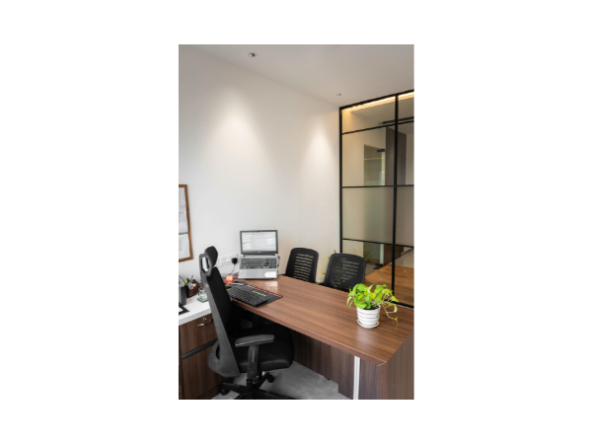

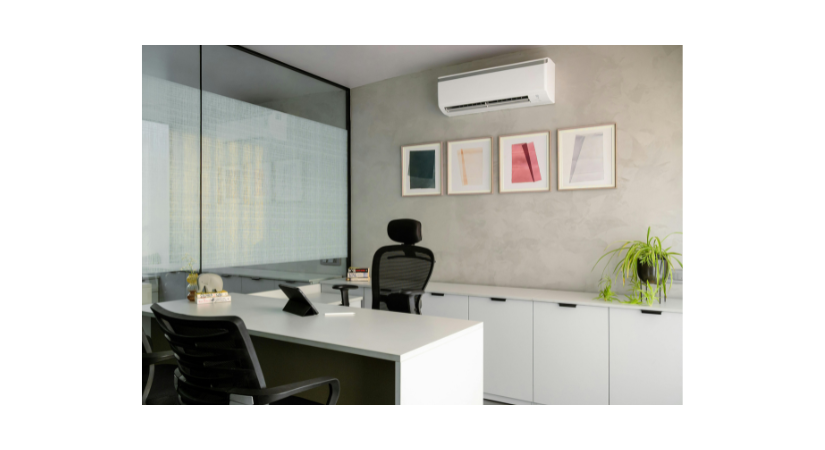
Global capability centres (GCC) Office Space leased roughly 19.6 million sq ft of India’s 45.5 million sq ft of office absorption in the first half of 2026 alone—43% of everything signed. That’s not a niche trend anymore. GCC office space has become the single biggest force shaping what gets built, where it gets built, and what landlords have to offer just to stay in the conversation — nowhere more so than office space in Bangalore, the city that keeps pulling in the largest share of this demand.
The requirements driving those decisions have shifted a lot in the last couple of years. Cost per square foot used to be the whole conversation. Now it’s one line item among several, and often not even the deciding one.
What GCC Office Space Actually Means
A Global Capability Center is an in-house office a multinational sets up abroad to run engineering, R&D, finance, or operations directly, rather than routing that work through a third-party vendor. The company owns the space, hires the people, and runs it the same way it would run a team anywhere else in the world.
That distinction matters for anyone leasing GCC office space to one. A GCC isn’t a short-term tenant testing the market. It’s typically a long lease, a large floor plate, and a team that plans to grow inside the same building for years. GCC office space requirements reflect exactly that — landlords aren’t just filling a floor, they’re building a relationship that could run a decade.
How Much GCC Office Space India Is Actually Leasing
The scale here is worth sitting with for a second. GCC transactions grew roughly 30% year-on-year through H1 2026, and Colliers projects GCCs will lease 35 to 40 million sq ft annually over the next two years, accounting for 45 to 50% of India’s total office demand.
Since 2021, GCCs have taken up 118 million sq ft of Grade A office space across India’s seven major cities, which works out to 37% of total absorption over that stretch. Technology companies take the biggest bite of that pie, about 39% of it, with BFSI a distant second at 22% and engineering and manufacturing rounding things out at 16%. Seven in ten of these centers trace back to a US parent company setting up shop here.
Put those numbers side by side and a pattern shows up fast. This isn’t a temporary swing in the market. Global companies have rebuilt how they think about where the actual work gets done, and Bengaluru keeps absorbing most of that shift. Demand for office space in Bangalore has barely dented, even with rents climbing every year.
Bengaluru Still Wins the Largest Share of GCC Office Space
Numbers make the case better than opinion ever could here. Hyderabad and Bengaluru combined have taken more than 60% of everything GCCs have leased since 2021, and Bengaluru alone sits at 34 to 39% of the whole country’s share. Walk into any of the 900-plus GCC units running out of office space in Bangalore today and you’ll find them split fairly evenly across technology, engineering R&D, and BFSI teams.
That concentration isn’t an accident. Decades of engineering talent, a dense IT ecosystem, and infrastructure built specifically around large campuses gave Bengaluru a head start most other cities can’t easily close. It also translates directly into steady demand for office space in Bangalore built around exactly this kind of large-format tenant.
The Corridors GCCs Actually Choose
Outer Ring Road remains the anchor for large-format GCC office space in Bangalore, mainly because it has the floor plates and campus-style buildings this tenant type needs. Whitefield and the areas around Manyata Tech Park pull in a steady share too, particularly from engineering-heavy GCCs that want proximity to established tech parks over a city-center address.
Newer GCCs, especially smaller ones just setting up their India presence, are increasingly looking at office space in Bangalore’s North corridors near the airport, betting on connectivity that will matter more once their teams scale past the first hundred people.
From Cost Center to Strategic Asset
For years, a GCC’s pitch to headquarters was simple: cheaper labor, same output. That framing has mostly disappeared. GCCs now run product development, core R&D, and decision-making functions that used to sit only at headquarters, and the office has to reflect that shift.
This changes what gets asked for when evaluating GCC office space in Bangalore during site selection. A cost-driven tenant asks about rent per square foot first. A GCC now asks about talent density, building quality, and whether the space can support the kind of work senior leadership actually wants to showcase to visiting executives.
Talent Access Now Outweighs Rent
Ask any GCC office space real estate lead what matters most in 2026 and rent rarely comes up first. Access to the right talent pool does. A location with slightly higher rent but a deeper bench of engineers or finance professionals usually wins over a cheaper option with a thinner labor market nearby.
This is part of why office space in Bangalore keeps its lead despite rising costs. Companies would rather pay more for GCC office space in a city where hiring senior technical talent takes weeks instead of months. The math works out in their favor once you account for how long an unfilled seat actually costs a growing team.
Flexible, Modular Layouts Beat Rigid Floor Plans
Under what’s being called Hybrid 2.0, organizations are now planning for just 50 to 60% occupancy on any given day. That number alone rules out the old approach of building fixed desks for every headcount on paper.
GCC office space increasingly needs to flex — modular furniture, reconfigurable meeting rooms, and layouts that can absorb a reorg without a fit-out project every time. This is also why managed office space has become such a common entry point for GCCs setting up in India for the first time. A managed setup lets a company scale seats up or down without the multi-year commitment a traditional lease locks them into, which matters a lot in the first eighteen months while headcount projections are still moving.
Sustainability Isn’t Optional Anymore
Nearly 85% of GCCs operating in India are actively working toward carbon neutrality by 2030, and that target shows up directly in property decisions. LEED Platinum and WELL certification, once a competitive edge, are now closer to a baseline expectation for any building trying to attract a large GCC tenant.
Roughly 65% of Grade A office space across India’s top seven cities is already green-certified, and office space in Bangalore carries the largest absolute share of that stock at around 172 million sq ft. Certified buildings in the city also command a 23 to 25% rental premium over non-certified ones — a gap wide enough that it’s now a genuine factor in site selection, not a nice-to-have footnote.
Experience-Led Design Is the New Baseline
About 60% of employees now say they prefer offices built around premium, hospitality-driven experiences over space that’s purely functional, a standard that’s quickly becoming the norm across office space in Bangalore too. GCCs have picked up on this fast, since it directly affects whether a candidate accepts an offer and whether that person sticks around past year one.
Wellness areas, proper collaboration zones, better daylight, and food and beverage options that don’t feel like an afterthought have all moved from optional to expected in GCC office space today. A GCC building a flagship India office increasingly treats the physical space as part of its employer brand, not just square footage on a balance sheet.
What This Means for Office Space in Bangalore
Landlords and developers across office space in Bangalore have adjusted quickly to these shifts. New Grade A supply is increasingly built with large, GCC-ready floor plates from the start, rather than retrofitted later once a tenant asks for it. Anyone comparing office space in Bangalore today will notice this shift shows up in the marketing materials before it even shows up on a site visit.
Operators offering managed office space in Bangalore have leaned into this too, since GCCs setting up their first India office often want a fast, flexible entry point before committing to a long-term lease. That flexibility, paired with green-certified buildings and better amenities, has become the standard pitch across the city’s major corridors for GCC office space.
The result is a market that increasingly builds specifically for this tenant profile rather than general business use, which shapes rent trends, new construction, and even where the next stretch of infrastructure gets planned.
What Businesses Should Check Before Signing GCC Office Space
Start with the talent map, not the rate card. Look at how many relevant engineers, finance professionals, or specialists actually live within a reasonable commute of the building, since that number affects hiring speed more than the lease rate on any office space in Bangalore ever will.
Check the sustainability credentials of any office space in Bangalore directly rather than taking a broker’s word for it. Ask for the LEED or WELL certification documentation, and confirm whether it’s actually current, not just something the building earned years ago and never renewed.
Ask about flexibility built into the lease itself. Can seats scale up without a fresh negotiation? Is there room in the building for expansion if headcount grows faster than planned? A GCC that outgrows its floor in year two without an expansion option ends up scrambling for a second location instead of simply taking more space next door.
Walk the building at peak hours, not during a quiet mid-morning tour. Meeting room availability, elevator wait times, and how crowded common areas get all tell you more about day-to-day usability than a glossy brochure ever will — a rule that applies to any office space in Bangalore, not just the buildings courting GCC tenants.
Final Thoughts
GCC office space requirements in 2026 look nothing like they did five years ago. Talent access, sustainability credentials, flexible layouts, and genuine workplace experience now carry as much weight as rent, sometimes more. Bengaluru’s continued lead isn’t guaranteed forever, but for now it holds the deepest talent pool and the largest stock of buildings actually built for this kind of tenant.
For any company planning its next India setup, treating GCC office space in Bangalore as a strategic decision rather than a real estate afterthought is no longer optional. The GCCs winning the talent race right now are the ones that made that call early.